Summary
On November 16, 1983, Sherri Jo Elliot was reported missing when she did not return home from school in Flint, Michigan. Elliott, who was 16 years old, was last seen waiting for the bus. Police and residents spent days searching the area. Four days after her disappearance on November 20, 1983, Elliot's body was found along a rural road in Blumfield Township, Michigan. Police said she had been shot multiple times and sexually assaulted.
Evidence was collected at the crime scene, but despite an exhaustive investigation, no suspect was identified and the case went cold. In 2025, investigators teamed with Othram to leverage identity inference, a process that enables investigators to identify individuals from DNA evidence, even when there is no known reference sample to initially compare against. Officials with the Michigan State Police submitted forensic evidence to Othram's laboratory headquartered in The Woodlands, Texas.
At Othram, scientists reviewed details of the case, determining that advanced DNA testing could help to identify the suspect. Othram scientists worked to develop a DNA extract from the provided forensic evidence, using Forensic-Grade Genome Sequencing® to build a comprehensive SNP profile for the suspect. This SNP profile powered a forensic search led by Othram's in-house forensic genetic genealogy team, resulting in new investigative leads about the suspect's identity.
Using this new information, a follow-up investigation was conducted and this investigation led to the positive identification of the suspect, who is now known to be Roni Collins, 75, of Grand Blanc, Michigan. He was born on February 9, 1950 and would have been 33 years old when the murder occurred.
Before investigators could get a DNA sample from Collins, he died by suicide in January 2026. A DNA profile was developed from evidence collected during the suspect's autopsy and compared to the evidence recovered from the 1983 crime. This comparison and the follow up investigation has led to Collins being identified as the person responsible for Sherri Jo Elliot's sexual assault and murder.
This case is a reminder that every piece of preserved evidence has the potential to unlock long-awaited answers. If you would like to support efforts to solve more cases like this, consider contributing your DNA data to the DNASolves database which aids law enforcement in identifying suspects and giving families the answers they deserve.
The identification of Roni Collins represents the 21st case in the State of Michigan where officials have publicly identified an individual using technology developed by Othram. Visit DNASolves to learn about other Michigan cases where your support can help bring long-awaited answers to families.
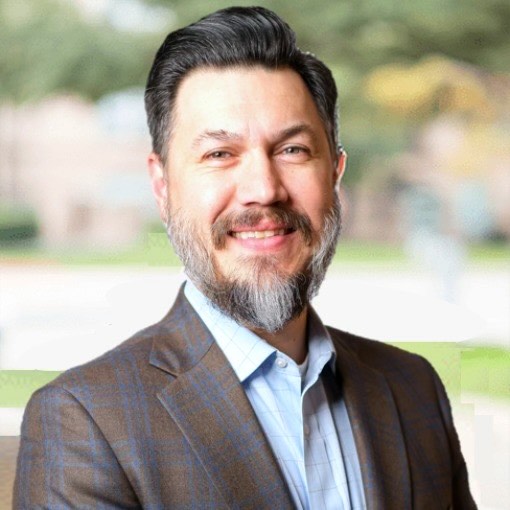
Dan Miller
Director of Customer Service
Dan guides law enforcement agencies across the United States and internationally through every step of the forensic process—from crime scene to courtroom. He ensures investigators have the support and resources they need to navigate advanced DNA testing and maximize the impact of forensic evidence in their cases.